


Main Content
Buying a New Condo from a Floor Plan: Your Complete Guide
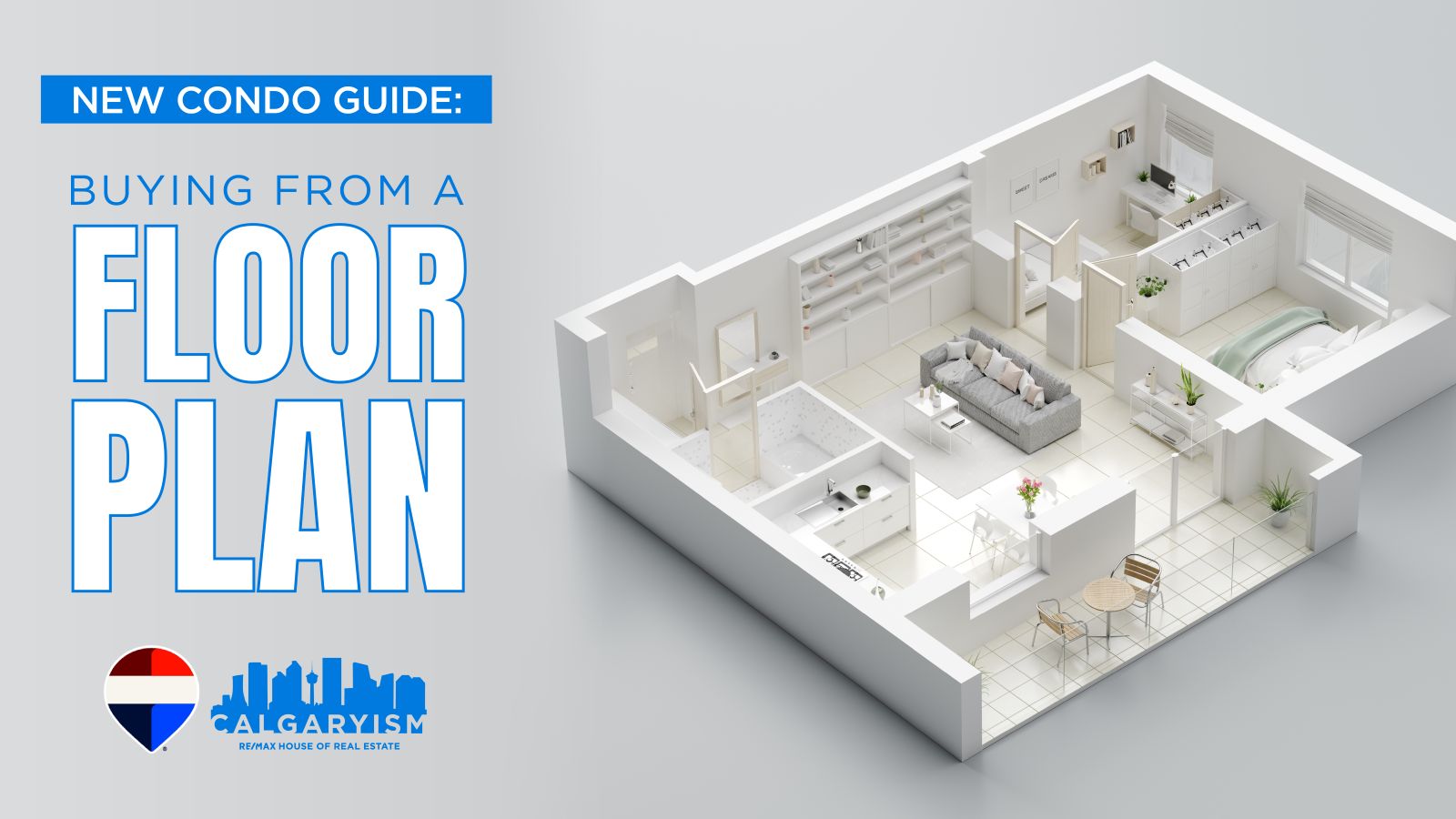
Buying a new condo from a floor plan can be a smart way to secure a brand-new apartment, lock in early pricing deals, and get your first pick of layouts, views, and finishes. But it is also very different from buying a resale condo because you are often committing to a property that does not yet physically exist.
That means you need to evaluate more than a pretty brochure or polished show suite. You must fully understand the floor plan, the building orientation, the developer’s track record, the disclosure documents, the possession timeline, the warranty coverage, and the unit’s long-term livability, among other several other critical factors.
This guide is for first-time buyers, investors, and anyone considering a new condo purchase from a floor plan. Making informed decisions at this stage can help you avoid costly mistakes and ensure your new home meets your needs. Below, we take a closer look at the steps you can take to ensure you’re fully satisfied with your purchase.
What Does It Mean to Buy a Condo from a Floor Plan?
Buying “from a floor plan” means that you’re purchasing a pre-construction condo, or one that is currently being built, from condo floor plans that are scaled, two-dimensional drawings rather than a finished space, with no actual way to physically step into the unit (unless there’s an identical show suite, of course). These layouts show room measurements, door placements, and symbols indicating windows and projected furniture layouts.
In most pre-construction condo projects, buyers select a unit based on architectural plans, renderings, show suites, design boards, virtual tours, and disclosure documents rather than a finished home. Some new-construction projects may also allow buyers to customize certain finishes or features before completion.
The biggest advantage is choice. Early buyers often get the best selection of:
- floor plans
- exposures and views
- parking stalls
- storage lockers
- finish packages
- price tiers before later release phases
Like any pre-construction condo deal, with advantage comes uncertainty, such as:
- reaching project completion
- final floor plan dimensions
- final building views
- finishing materials used
- construction timelines
- carrying costs
Is Buying a New Condo from a Floor Plan a Good Idea?
Yes, it can be a very good idea, but as always, only if you do your due diligence around the deal and tread carefully to protect your best interests every step of the way.
For many buyers, pre-construction condos offer the chance to get into a new building with modern design, better energy efficiency, new-home warranty protection, and less maintenance. For investors, there can also be significant upside in the condo/building’s appeal if market values rise during construction, while earning a secondary stream of income in the meantime.
The moral of the story is that buying off-plan works best when you do your homework. The right condo on paper can feel completely different in real life if the layout is inefficient, the windows are small, the lighting exposure is poor, or the finishes and common areas do not match expectations – and these important features were not properly measured or considered during the discovery process.
That is why the goal is not just to buy early. The goal is to buy wisely.
10 Steps to Buying a New Condo from a Floor Plan

Step 1: Do deep research on the developer
First and foremost, before you fall in love with a layout, research the developer’s track record. Look at previous projects, build quality, reputation, online reviews, delivery timelines, after-possession service, and how well older buildings have held up. Ask questions like:
- Have they completed similar condo projects?
- Did earlier buyers report major deficiencies or delays?
- Do their past buildings still compete well on resale?
- Are the finish quality, amenity promises, and common areas consistent with their marketing?
Developer experience matters, especially when building multi-million-dollar buildings where a single measurement error can throw off the entire structure or any of its systems. If there are any red flags on the developer, such as a lack of experience, you may want to reconsider your options.
If you’re having difficulty finding this information, ask your real estate agent for assistance; if they are a condo specialist, they should have intimate knowledge of any developer you’re considering.
Step 2: Review the floor plan and square footage from all angles
A floor plan is much more than just square footage and the bedroom and bathroom count. Buyers should assess functionality and flow when reviewing a condo floor plan. Pay close attention to the following:
- entrance space and storage
- closet sizes
- kitchen layout and counter space
- dining area usability
- living room furniture placement
- bedroom privacy
- window placement
- natural light
- balcony access
- in-suite laundry location
- awkward hallways or wasted square footage
Focus on usable space rather than total square footage alone, and confirm whether the measurements shown reflect usable area or gross floor area before you buy. Also important is to determine if the balcony square footage is (or isn’t) included in the overall square footage.
Two condos with the same square footage can live very differently, depending on your lifestyle and the unit’s natural light exposure. For example, someone who entertains guests all the time may want a more open-concept, spacious floor plan, while a young family may value more bedrooms over space in the kitchen or living room.
Bedroom and Kitchen Considerations
An interior bedroom without windows is often treated more like a den, and most buyers do not consider it a true bedroom. Bedroom placement should protect privacy and reduce noise, and HVAC equipment should be positioned carefully so it does not add sound to the living space. In smaller units, a full wall can offer better separation than partial dividers or sliding doors.
Corner kitchens with islands generally provide better flow into the living space than tight galley kitchens. Central islands are great for small condos, but only if there’s room so they don’t make the kitchen feel cluttered.
These are all just some of the considerations when reviewing a floor plan’s square footage and layout from all angles that will save you headaches down the road.
Step 3: Compare the plan to the show suite carefully
If a show suite is available, use it as a reference point, not proof of what you are buying. Show suites are designed to sell the lifestyle, often using smaller furniture, upgraded finishes, strategic lighting, and staging tricks to make the space feel larger.
Comparing Show Suites to Floor Plans
Ask for the architectural drawings and compare room dimensions directly. If the show suite is a different plan, look at the measurements and identify what is actually comparable. Don’t be afraid to bring your own measuring tape, folks!
This matters because a floor plan that seems spacious on paper may quickly lose its functionality if the bedroom is too narrow, the living room cannot fit full-size furniture you want, or the kitchen island limits movement in the “triangle work area,” the sink, the stove, and the refrigerator; layouts over 650 sq. ft. often avoid the most cramped feel, but only when the space is planned well. Check whether the bedroom can realistically fit a queen/king bed while still leaving usable wall space and enough clearance for the door.
Also, walk the show suite with the plan in hand so you can judge privacy, noise exposure, and whether too much space is being wasted in hallways or awkward sheet layouts.
Ask for 3D Models
Sometimes condo developers will offer in-depth 3D modelling of floor plans if there’s no show suite involved. If that’s the case, make sure to spend ample time reviewing the models, diving into the smallest details. Ask for exact measurements, sizes, and also see if there’s an option to view the building orientation and unit positioning relative to the outside.
Step 4: Check the building orientation and exact unit position
One of the most important steps when buying a condo from a floor plan is to stand on or near the site to understand where your unit will be located in the building.
Evaluating Building Orientation
You want to know:
- What direction will the unit face, and how much sunlight will that direction bring through the day?
- What will the natural light be like based on the windows’ directional facing, from morning to late afternoon?
- What is across the street today?
- What could be built nearby in the future?
- Will traffic, train lines, loading zones, or nightlife affect the unit?
- Is the unit beside elevators, garbage chutes, or other noisy service areas?
- Is the balcony usable, sheltered, windy, shaded, or exposed?
In Calgary, for example, orientation matters more than many buyers realize. South-facing and west-facing condo units may get more sunlight, while north-facing units may be cooler and darker, so directional facing can directly affect sunlight and overall comfort in the unit. Downtown and inner-city buyers should pay particular attention to future tower development that could impact privacy and views over time, and remember that darker or noisier locations can attract less interest on resale.
Step 5: Ask what is standard and what is an upgrade
Never assume the model suite reflects the standard package. In new construction, some features may be customizable, so confirm exactly what comes with your purchase and what each change will cost. Ask for clarity on:
- appliance package offered
- flooring type & options
- countertop material and thickness
- cabinet finishes and manufacturer
- backsplash type and height
- lighting fixtures offered
- air conditioning (yes/no)
- window coverings (yes/no)
- parking and storage (included or extra $$$)
- smart-home features (thermostat)
- in-house amenities
The purchase price covers the condo unit and standard specifications, not the furniture shown in the model suite.
Get it in writing wherever possible. The fewer assumptions you make, the fewer disappointments you will have at possession.
Step 6: Understand the deposit structure
Most pre-construction condo projects will require a staged deposit rather than a traditional one-time down payment up front. The schedule varies by builder and project. Ask:
- How much is due on signing?
- Are later deposits due in 30, 90, or 180 days?
- Is the deposit held in trust?
- Is the deposit refundable during the review period?
- What happens if construction is delayed or cancelled?
Cash flow planning matters here. A condo can feel affordable on monthly payment projections, but still strain your finances if the deposit schedule is aggressive.
Also make sure to ask for the disclosure document (more below) that outlines the terms as well as the estimated possession timeline. You’ll need to be prepared if timelines are delayed, as it is not uncommon in new condo developments.
Step 7: Review the condominium corporation disclosure documents before you commit
This is one of the most important parts of buying a new condo. Buyers should carefully review the developer disclosure package and related purchase documents before signing or waiving conditions. In Alberta, for example, consumer resources and legal guides emphasize the importance of reviewing the required disclosure materials and document checklist for new condo purchases. Before signing, cross-check the unit number on the contract against the developer’s floor plans and disclosure package for accuracy.
This is where working with an experienced real estate professional and a reputed real estate lawyer can add real value. You want to understand what is being promised, what can change, what your rights are, and what obligations you are taking on. Have them review condominium documents from the condominium corporation for rules affecting owners, including restrictions on exterior changes to balconies, doors, or visible finishes.
Step 8: Ask about occupancy, title transfer, monthly maintenance fees, and interim costs
As a buyer, make sure you realize there can be a period between moving in and officially taking title. In Alberta, for example, a developer may charge occupancy fees after occupancy and before title transfer, or before the first monthly condo contribution takes effect, which means your early carrying costs may be higher than you expected. Compared with houses, many buyers of condominiums accept monthly maintenance fees and less private outdoor space in exchange for a lower purchase price in urban markets.
Ask for a clear explanation of:
- estimated possession date
- estimated title transfer date
- monthly occupancy fees
- when mortgage payments begin
- when condo fees officially begin
- what utilities are included during occupancy
This is one of the most overlooked issues in pre-construction condo buying. Also, make sure to ask what the terms are when an estimated possession/title transfer date goes past the original deadline.
What are carrying costs anyway?
In real estate, carrying costs are the ongoing expenses of owning a property while you hold it before it is sold, rented, or fully occupied. In simple terms, they are the monthly or ongoing costs required to “carry” the property during the period you own it.
Carrying costs commonly include:
- Mortgage interest
- Property taxes
- Insurance
- Utilities
- Maintenance
- Condo fees
- Financing or loan-related costs
- Vacant land financing (for development projects)
- Builder’s risk insurance
- Security
- Snow removal
- Site servicing expenses
- Parking or storage fees (if applicable)
For example, if a pre-construction condo buyer purchases a new unit and holds it for eight months before occupying the building, the carrying costs might include the occupancy fee, condo maintenance fees, property taxes, utility costs, and sometimes parking or storage fees.
Step 9: Confirm warranty coverage
Most jurisdictions, like Alberta, have mandatory new-home warranty requirements, with guidance that sets minimum coverage limits and outlines framework protections for residential construction. Buyers should understand that warranty coverage begins from a defined commencement date, which may not be the same day they move in.
From a practical standpoint, that means you should ask for:
- the warranty provider
- what is covered in the unit
- what is covered in common property
- how deficiencies are reported
- who coordinates post-possession service
Warranty is helpful, but it is not a substitute for buying into a well-managed project from a reputable developer with extensive experience in multi-million-dollar, high-rise condominium construction, for example.
Step 10: Think about resale before you buy
The best pre-construction condo buyers think ahead to the future resale market from day one. Floor plans that tend to hold value better usually have:
- efficient use of space
- practical storage options
- good natural lighting and desirable exposure
- unimpeded views (difficult to predict the future)
- split 2-bedroom layouts, which usually resell better than side-by-side plans
- a real dining area or flexible work-from-home space
- parking and storage where relevant
- broad buyer appeal
These layouts can also work better for roommates because they improve privacy.
In Calgary, for example, resale performance often improves when the unit is in a walkable location near transit, employment, dining, green space, or a major anchor such as a university, hospital, or urban mixed-use district, which matters to home buyers thinking about future demand. The same can be said for other major metropolitan centres across Canada and the United States.
Common Mistakes Buyers Make When Buying Off-Plan

- Buying based on emotion instead of function: A polished presentation centre and attractive marketing materials do not necessarily mean the unit itself is the right choice.
- Focusing too much on price per square foot: A lower price or larger unit is not always better if the layout is inefficient or awkward.
- Ignoring layout efficiency: A slightly smaller condo with a smart floor plan can feel larger, live better, and often perform better on resale than a bigger but poorly designed unit.
- Overlooking the building as a whole: Buyers sometimes focus only on the suite and forget to assess elevators, amenities, condo fees, pet rules, parking, storage, management, and long-term maintenance considerations.
- Not asking what can change before completion: Renderings, finish selections, view lines, and possession dates are often subject to change, and buyers should understand exactly what is and is not guaranteed.
Do Your Due Diligence
Buying a new condo from a floor plan can be a great opportunity, but only if you know what to look for, including not just layout and orientation but also the condominium community, monthly costs, and rules owners must follow.
From layout efficiency to building orientation and disclosure details, small decisions can have a big impact later in condominiums, so advice from local real estate agents can help. Make sure you go into the process with clarity and confidence, including on rules that can limit exterior changes set by the condominium corporation.
Required fields are marked*
- Airdrie
- Alberta
- Arts and Culture
- Blog
- Buying Tips
- Calgary
- Calgary Activities and Events
- Calgary Communities
- Calgary Condo Guide
- Calgary Infill Homes
- Calgary Luxury Homes
- Calgary New Condo Guide
- Calgary New Homes
- Calgary Real Estate Statistics
- Calgary Restaurants
- Calgary Townhomes
- Canada
- Chestermere
- Cochrane
- Condo Building Review
- Condos in Calgary
- Featured Blog Posts
- Featured Blogs
- First Time Home Buyers Guide
- Listings
- Moving to Calgary
- New Condo Projects
- Oil and Gas
- Okotoks
- Selling Tips
- Slider
- Testimonials
- The Best in Calgary
- Uncategorized
- Video Testimonials
- Contact Us
- Search MLS®
- Sellers’ Guide
- Buyers’ Guide
- About Cody & Jordan
- Blog
- Testimonials
- Downtown Calgary
- SW Calgary
- SE Calgary
- NE Calgary
- NW Calgary
- Calgary Condos
- Calgary Townhomes
- Calgary Infills
- Calgary Luxury Homes
- New Calgary Homes
- New Calgary Condos
- Acreages for Sale
- Bungalows for Sale
- Duplexes for Sale


